TEAM
Dr. Anthony R. Cummings
Principal Investigator
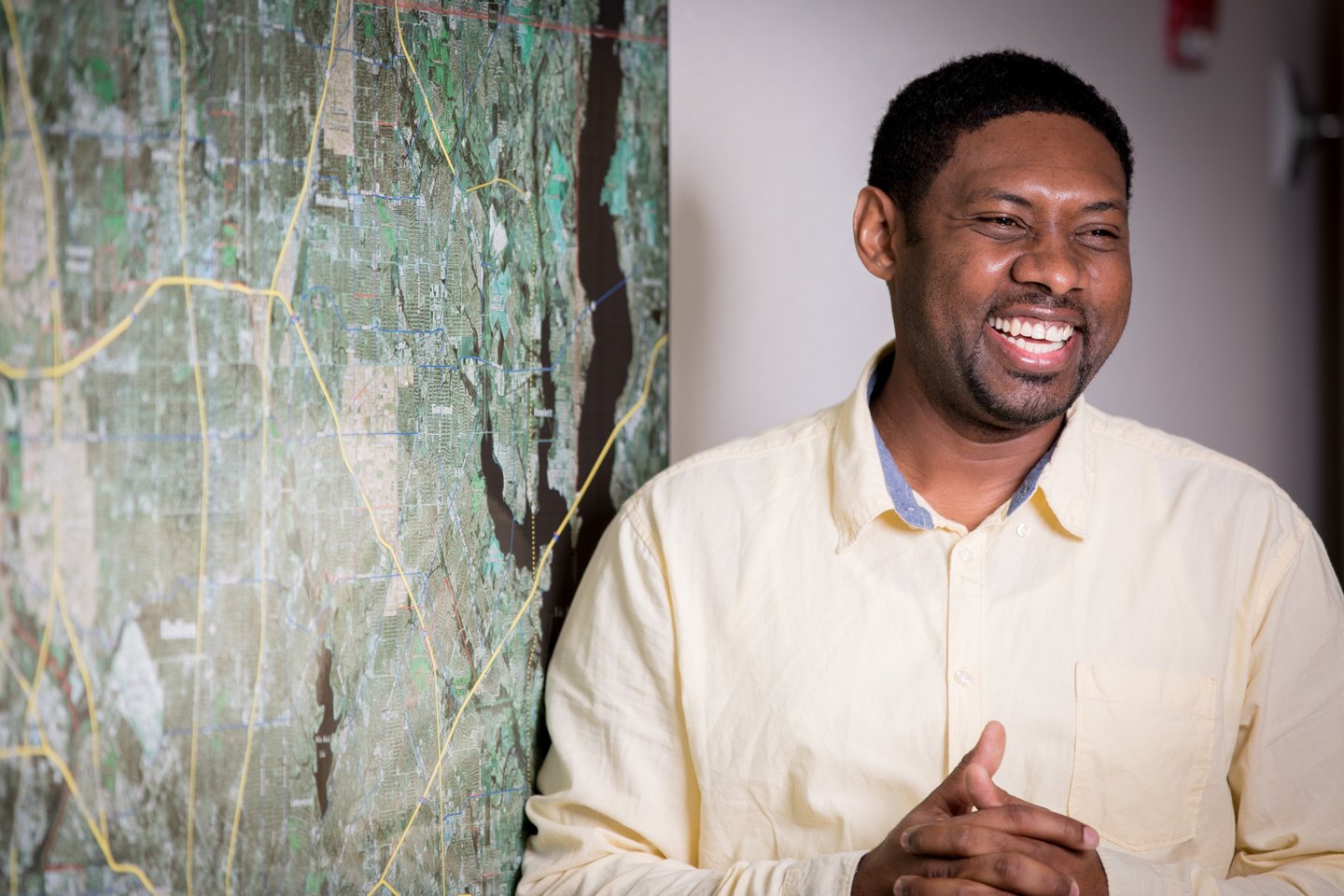
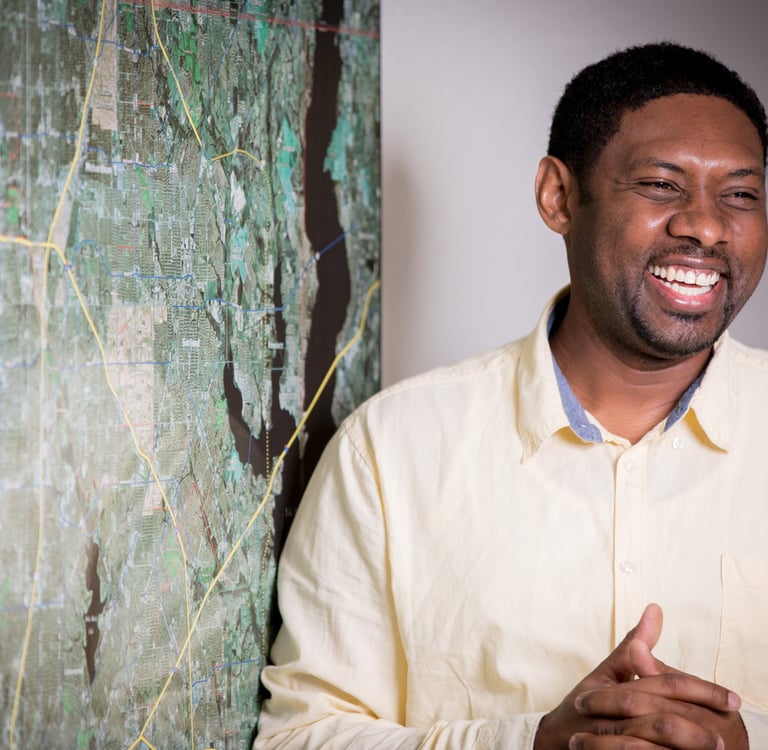
Anthony R. Cummings is a geographer and conservation scientist whose research focuses on human-environment interactions in Guyana and wider South America. His work looks at how global economic processes shape human-wildlife interactions, including environmental crime, and indigenous peoples cultural and economic practices as expressed through landscape structure and diversity. He is currently serving as Philip ‘71 and Lynn Rauch Endowed Professor of Climate Change, Sustainability, and Environmental Management in the Bailey College of the Environment at Wesleyan University.
Ph.D., 2013, Geography, Maxwell School of Citizenship and Public Affairs, Syracuse University, Syracuse, New York.
MPhil, 2003, Geographical Information Systems (GIS) and Remote Sensing, University of Cambridge, Cambridge, United Kingdom.
MSc, 2002, Natural Resource Management, University of the West Indies, Cave Hill, Barbados, West Indies.
BSc, 1999, Agriculture, University of Guyana, Turkeyen, Greater Georgetown, Guyana.
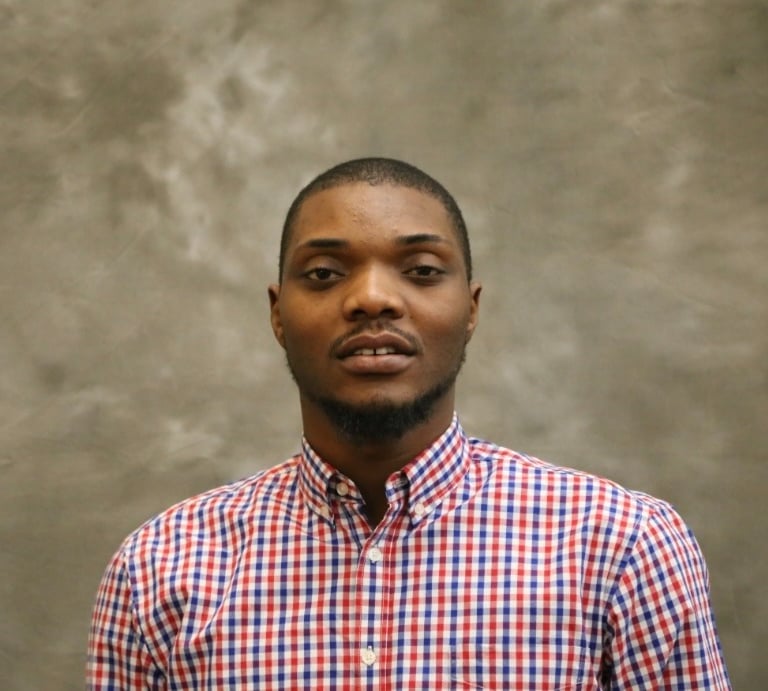
Matthew Drouillard, PhD
US DoD SMART Scholar, Geospatial Information Sciences
Lab Team
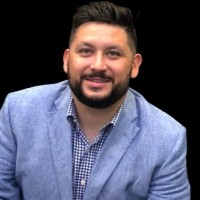
I focus on employing remote sensing and GIS methods to quantify both natural ecological processes as well as human-environment interactions. My research focuses on the large-scale spatial distribution and pattern analysis of resource palms (Arecaceae) that are utilized for subsistence by indigenous populations in south-central Guyana.
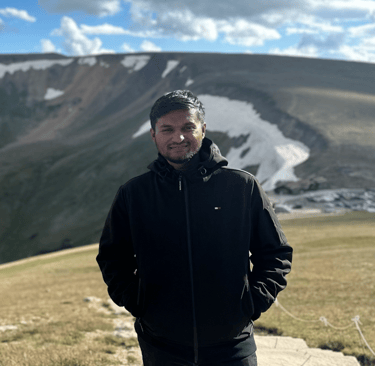
Md. Nakir Ahmed,
PhD Candidate
Geospatial Information Sciences
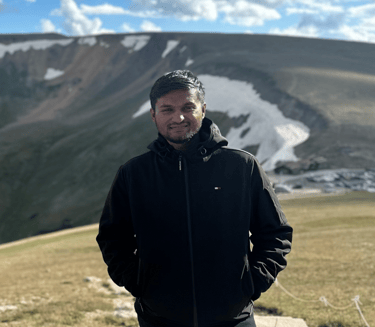
My research interest lies in advancing land use/land cover classification by applying deep learning methodologies on satellite and Unoccupied Aerial Systems (UAS) data. My current research focuses on detecting cassava and pineapple farms in different villages of Guyana.
Email: mdnakir.ahmed@utdallas.edu
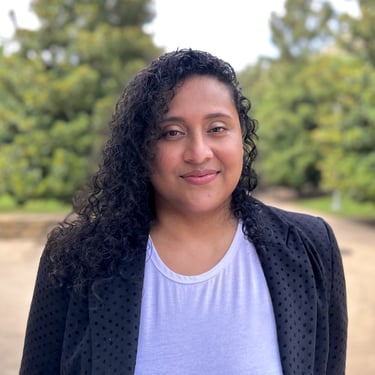
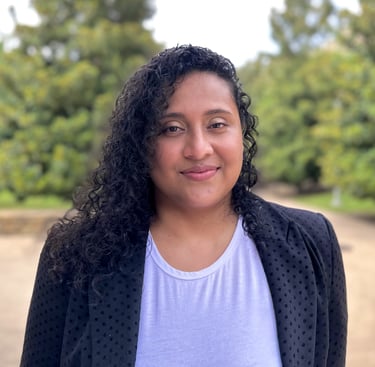
Crystal Conway, PhD Candidate
Geospatial Information Sciences
My research centers on the use of remote sensing methods to detect microplots of cultivation (swidden agriculture) within rainforests and other vegetation types, with the aim of better defining the actual contribution of swidden agriculture to climate change.
Email: Crystal.Conway@utdallas.edu
Adewole Michael Adeuga, PhD Candidate
Geospatial Information Sciences
My research interest lies in using spatial analysis to address social problems including urban shrinkage, crime, and public health, among others. My current research is primarily dedicated to the utilization of mass media data to gain insight into crime patterns in undeveloped countries where official crime documents are inaccessible.
Email: Adewole.Adeuga@utdallas.edu
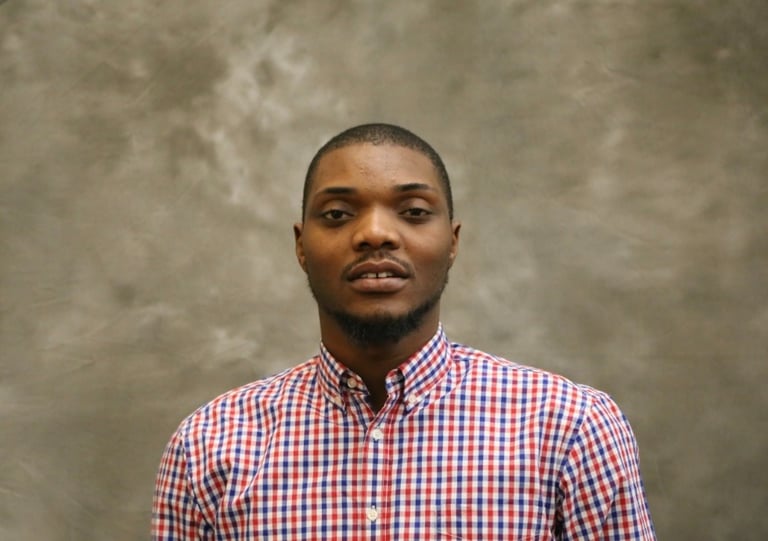
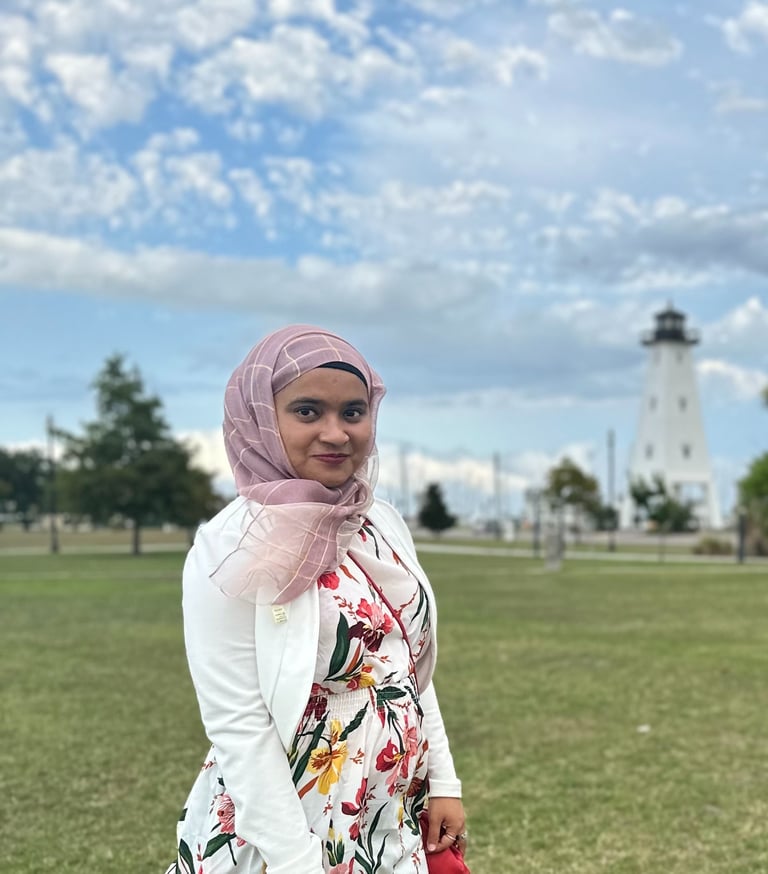
Yeamin Faria Chowdhury, PhD
Geospatial Information Sciences
My main research interests are Wildlife Ecology, Human-Wildlife Interactions, Spatial Analysis, Geospatial Science, and Advanced Statistical Analysis. My current research is centered on wildlife ecology, using camera trap datasets. It focuses on habitat suitability modeling for wildlife in the rainforest of Guyana. Another aspect of my study is to examine how human activities in farmlands influence animal habitats in this region. To achieve these objectives, I employ statistical modeling and deep learning techniques. My research will investigate the complex spatial patterns of wildlife and human activity within different villages of Guyana.
Email: YeaminFaria.Chowdhury@utdallas.edu
Education:
PhD Candidate, GIS; University of Texas at Dallas (2020-Present)
M.Sc., Environmental Sciences; Jahangirnagar University (2017)
B.Sc., Environmental Sciences; Jahangirnagar University (2016)
Jack Sadler, Master's Student
Ecology, Chemistry and Genomics
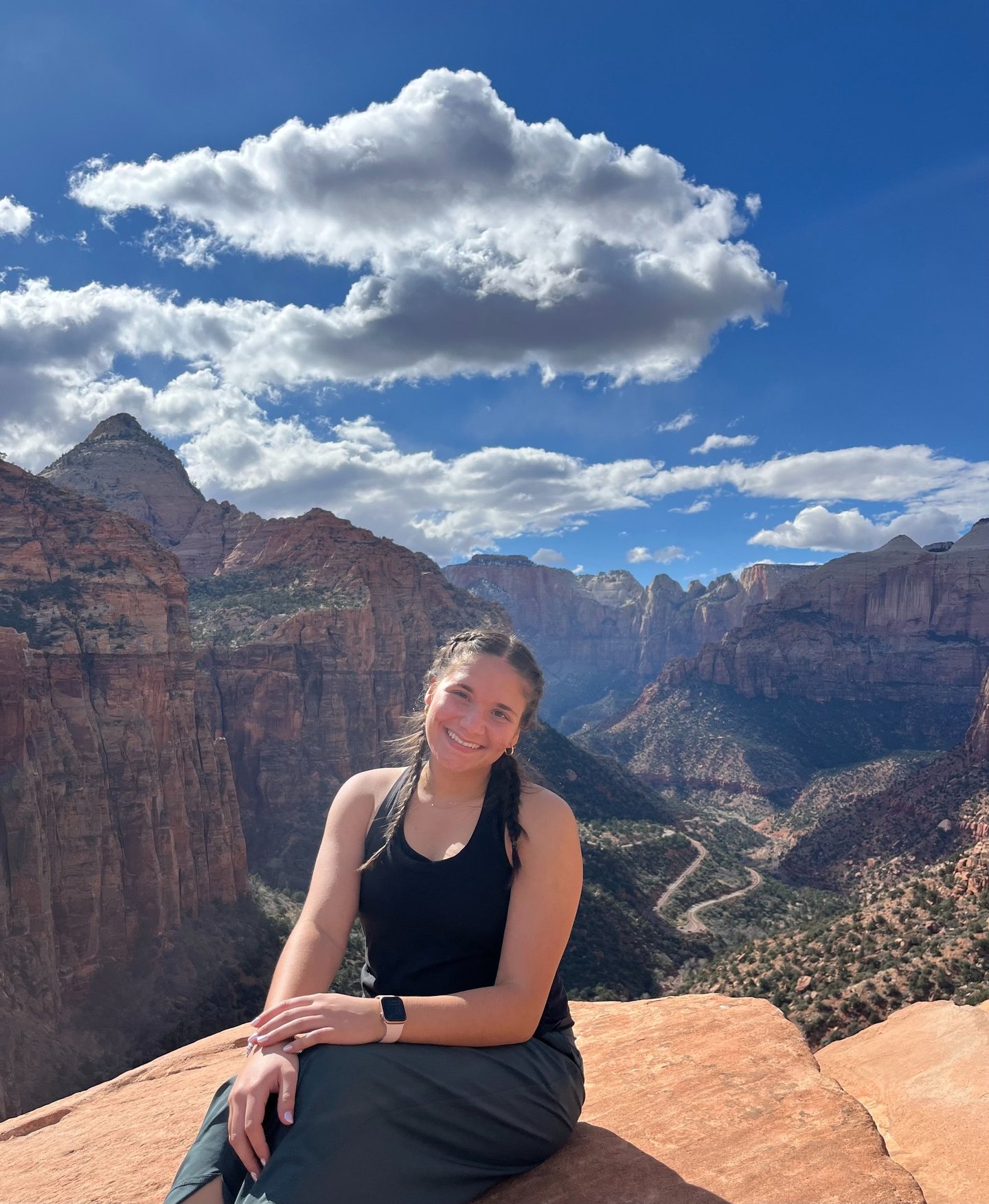
Kallan Tripician, Undergraduate
Terrestrial Ecology and Blue Carbon
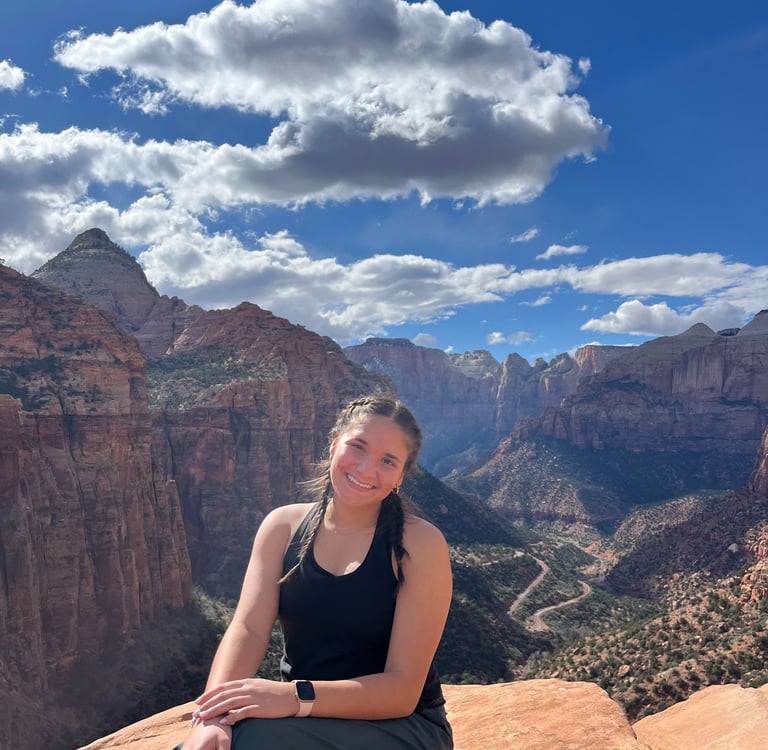
My name is Kallan and I am a junior at Wesleyan University. I am from Longport, New Jersey, a small town on a barrier island. Growing up on the beach fueled my love for the environment, and led me to double major in Biology and Earth & Environmental Science. This summer, I will be working with fruiting and tree data to develop a model for carrying capacity, food availability and unused fruits. I am also working with blue carbon data to determine the above and below-ground organic carbon stocks in the mangrove forests, as well as to perform chemical and isotopic measurements to determine the sources of organic carbon buried in the sediment. I am particularly interested in comparing different blue carbon ecosystems around the world and determining if restoration and protection efforts should be customized to the particular area involved.
Email: kktripician@wesleyan.edu
Education:
B.A., Biology and Earth & Environmental Sciences; Wesleyan University (2023-Present)
Catherine Auerbach, Undergraduate
Ecology and Ethnomedicine
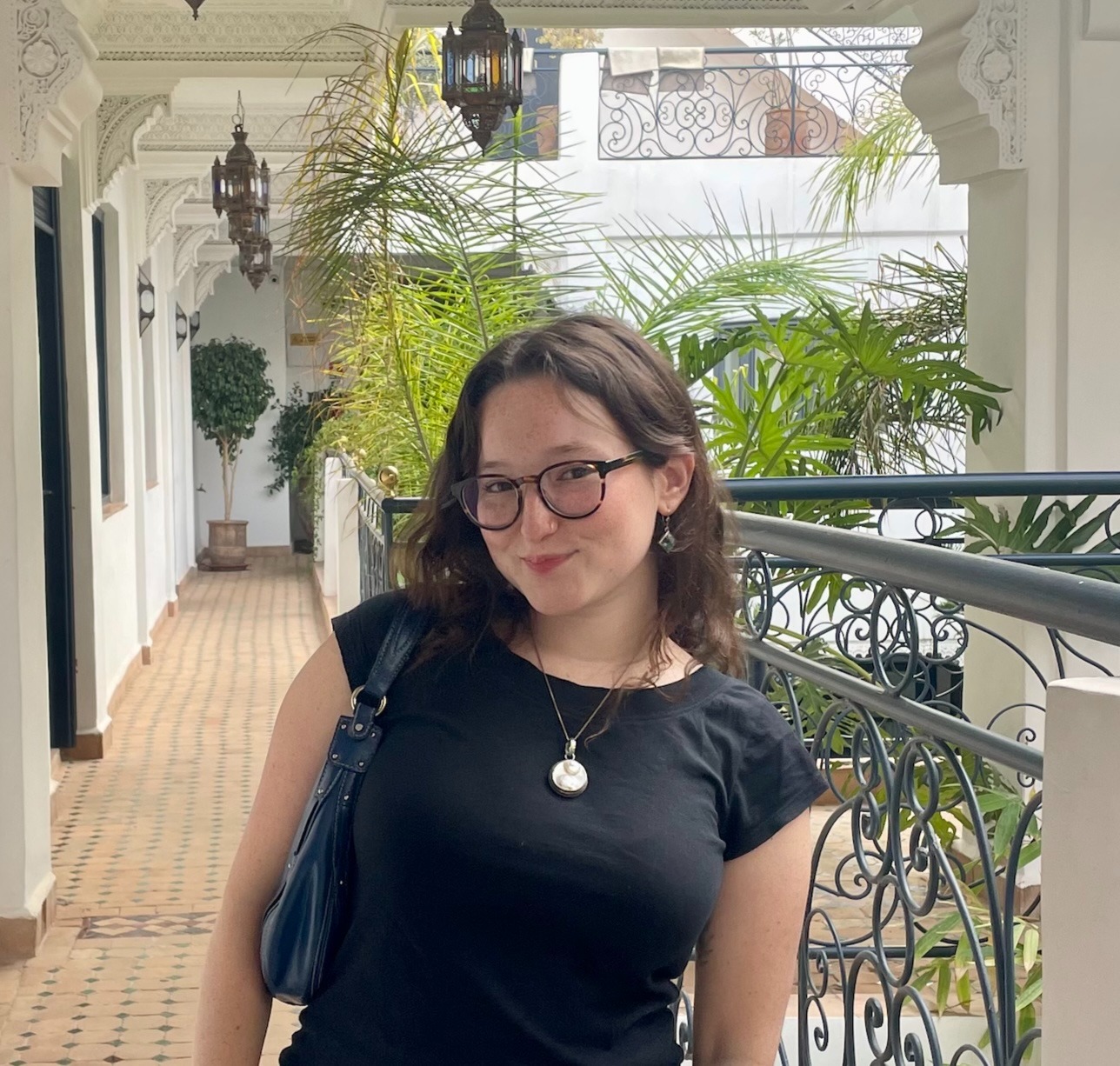
I am an undergraduate student at Wesleyan University (BA ‘26) double majoring in Earth & Environmental Sciences and Environmental Studies. Growing up in NYC, where urbanization has disrupted ecological balance, I became increasingly interested in how certain communities, particularly indigenous communities, manage to live sustainably and in harmony with their environment. I am also interested in the fields of public health and health justice. This summer, I will be researching the different species of trees in Guyana’s forests, their spatial geography, and how people use these species for ecosystem services (for example, for food, medicine or timber). I am particularly interested in Guyanese indigenous communities’ knowledge and use of medicinal trees and plants, and the relationships between traditional ecological knowledge and the lived environment. Outside of research, I love to cook, hang out with my dogs, and listen to music.
Email: cauerbach@wesleyan.edu
Education:
B.A., Earth & Environmental Sciences and Environmental Studies; Wesleyan University (2022-Present)
Rami Hayes-Messinger, Undergraduate
Land Cover Change and Geospatial Mapping
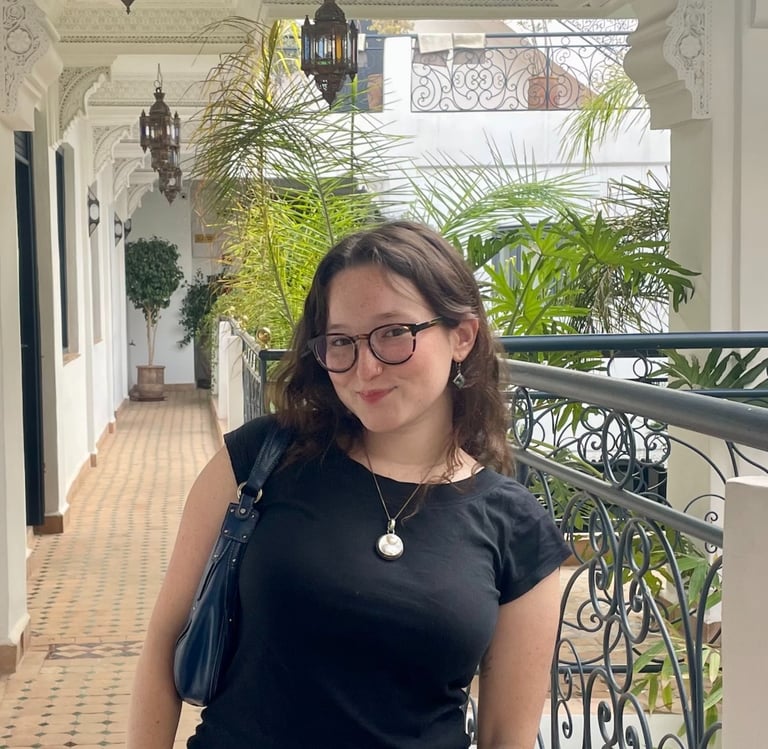
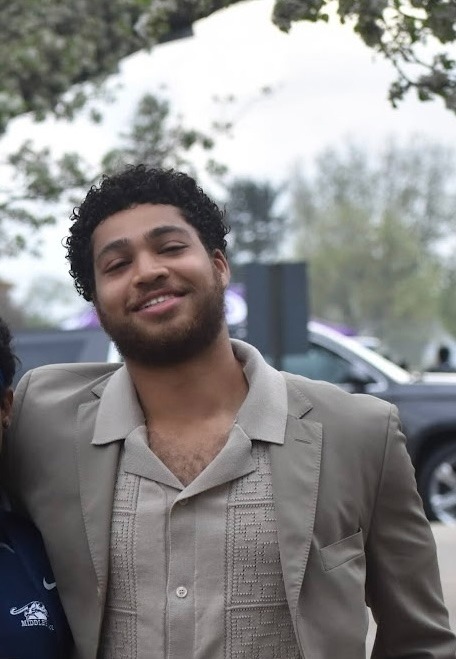
My name is Rami Hayes-Messinger and I am a rising senior at Wesleyan University. I am from Boston, Massachusetts and I have lived in the city all of my life. I found my love for the environment academically at first, learning about and understanding the different systems and ecosystems that drive the outcomes that I see day-to-day. More recently, I have discovered a love for field work while studying abroad in Turks & Caicos. This summer I am continuing my work from the spring to construct interactive village maps. I also am working to create a model that can measure and predict present and future farm plots to better prepare for what is to come.
Email: rhayesmessin@wesleyan.edu
Education:
B.A., History and Environmental Studies; Wesleyan University (2022-Present)
Meera Menon, Undergraduate
Wildlife Ecology and Geospatial Mapping
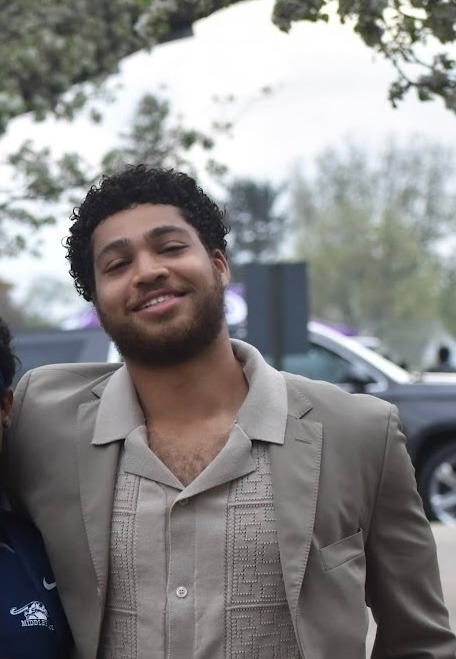
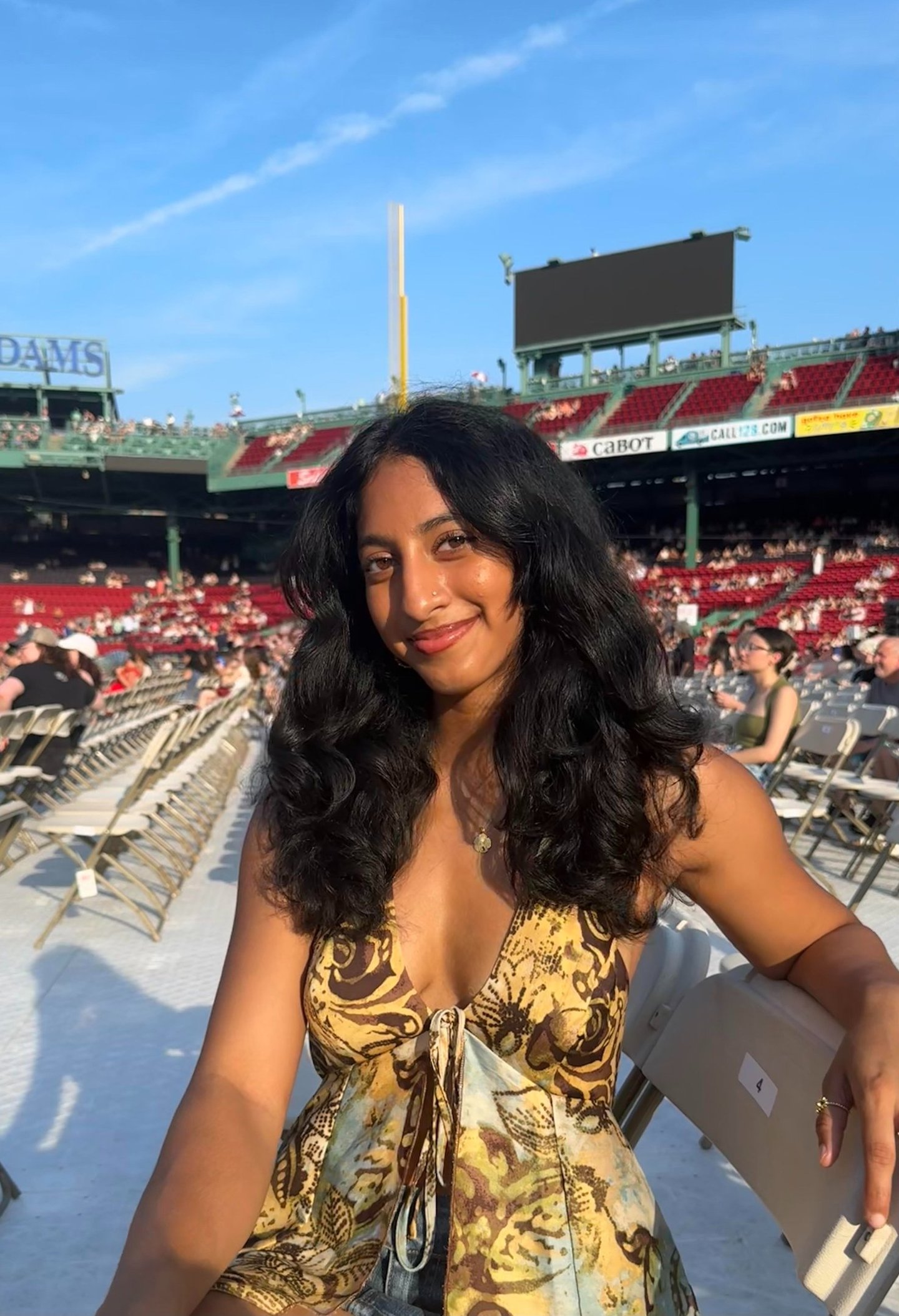
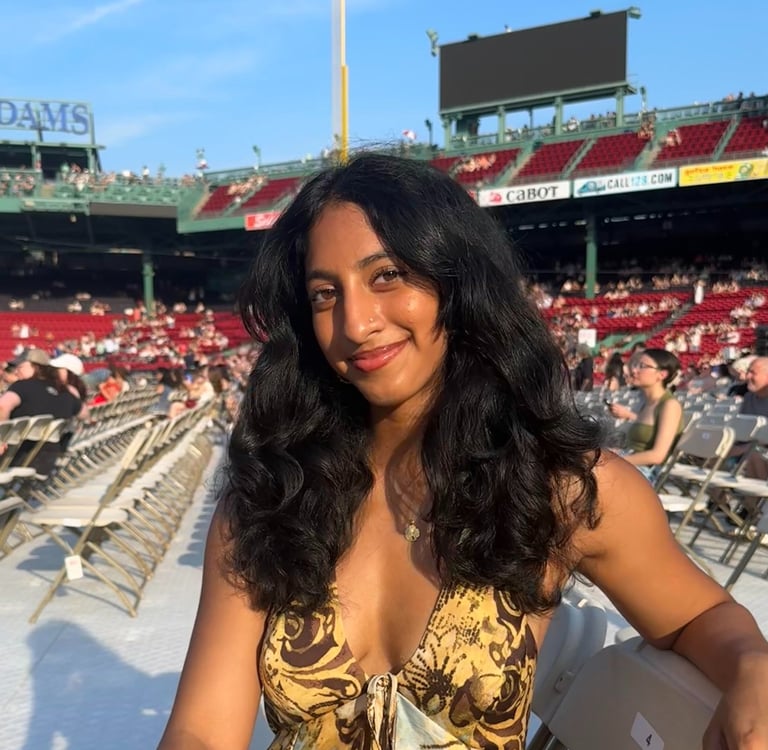
I’m Meera and I’m an undergraduate student at Wesleyan University from Cumberland, Rhode Island. I am currently a prospective Biology and Earth & Environmental Science double major. My interest in both fields stemmed from a lifelong love of the outdoors and the engaging, hands-on biology labs I was able to take in high school. This summer, my work will be centered around the camera trap images that have been collected over time from several villages across Guyana. I’ll be working on organizing the camera trap data, mapping the trap locations, and developing a software for automatic animal identification in these camera images. Beyond my research, I enjoy rock climbing, hiking, and reading!
Email: mmenon@wesleyan.edu
Education:
B.A., Biology and Earth & Environmental Sciences; Wesleyan University (2024-Present)
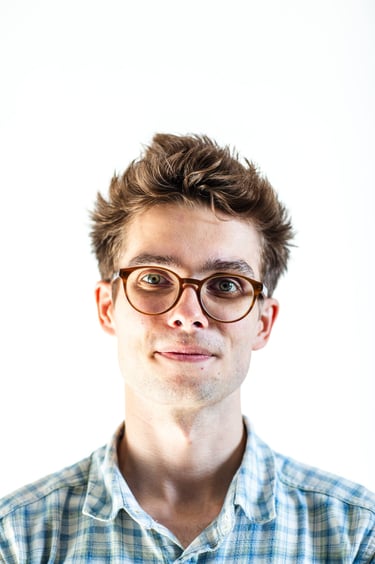
I am a graduate student (MA '26) in Earth & Environmental Sciences at Wesleyan University, with a background in genetic metabarcoding, chemical instrumentation, and climate adaptation. My current interests center on how ecological dynamics, genomics, assemblage-level conservation, and multimedia approaches can advance our understanding of macro-scale ecosystems through micro-scale sensing technologies.
In May of 2022 I earned a BS in Chemistry (High Honors) from the University of Texas at Dallas, conducting research with Dr. David Lary on portable mass spectrometry and with Dr. Anthony Cummings on climate adaptation strategies in Guyana. After graduation, I worked as a Chemical & Sensor Specialist with Dr. Lary, managing over 20 instruments for a chemical kinetic data assimilation system in indoor environments.
Outside of research, I spend my time climbing and reading good books.
Personal Site: www.jack-sadler.com
Email: jsadler@wesleyan.edu
Education:
M.A., Earth & Environmental Sciences; Wesleyan University (2024-Present)
B.S., Chemistry; UT Dallas (2022)
The Swidden Plot
Dept. of Earth and Environmental Sciences
Wesleyan University
265 Church St.
Middletown, CT 06459